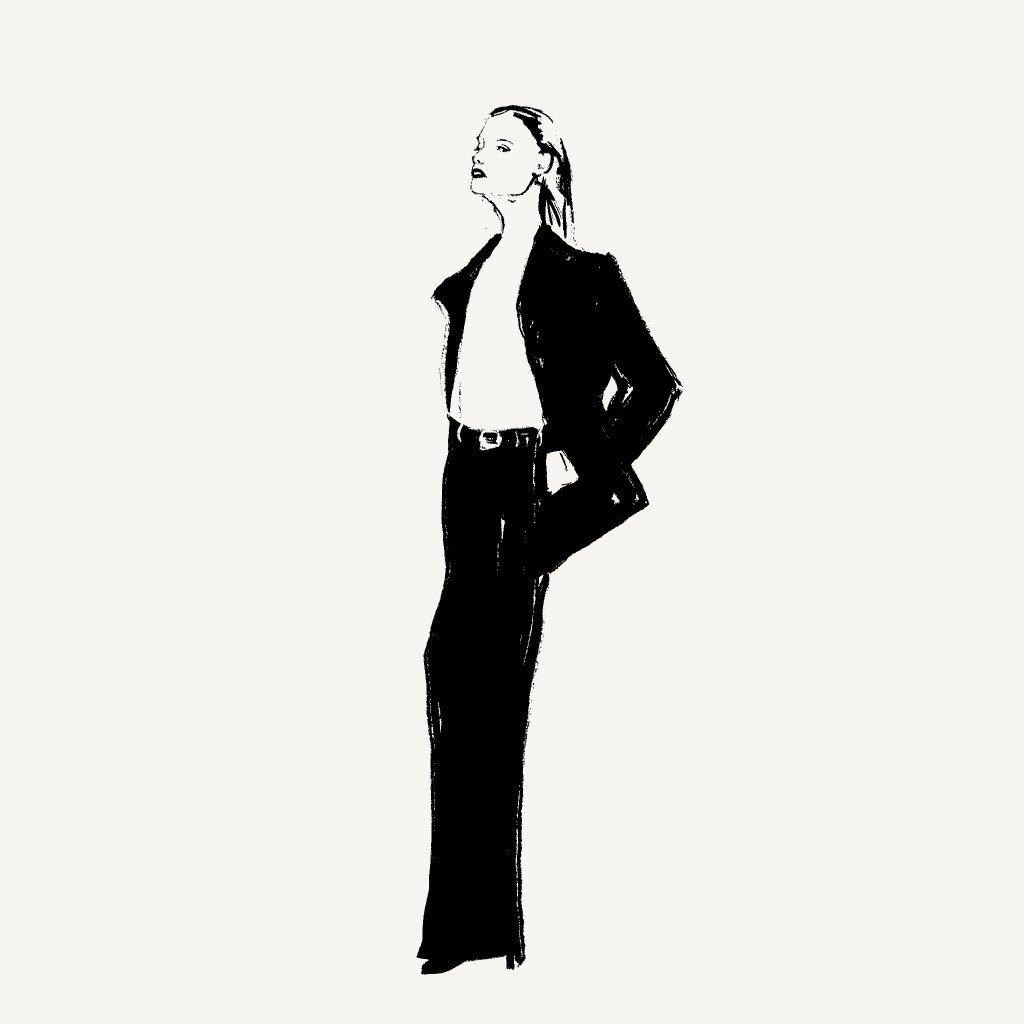
Fake it till you make it
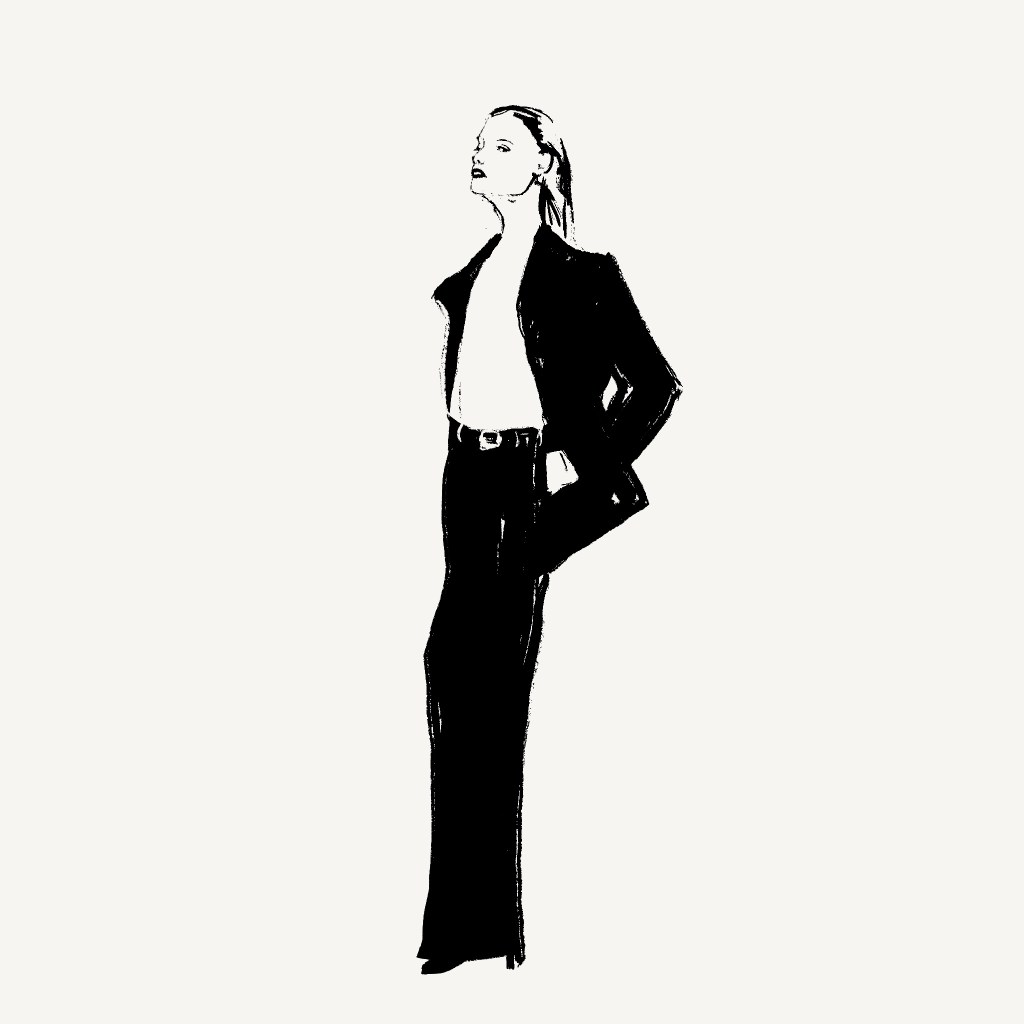
Can fashion be the passport to opportunity? Or does it just lead to shame? These are questions I began thinking about at an early age. My family was just able to afford to put me in privileged spaces but as a consequence I also felt like the poorest person in the room most of my life. This is not to say I am not aware and grateful for the privileges I’ve been afforded but only to offer my own background and perspective in seeing the strange dichotomy of two classes and how it led to my own interest in clothes’ ability to alter perceptions and by default – history.
This started when I was a child and could tell my parents were stressed. I’d say the word “taxes” in dismayed understanding. At sleepovers (I hardly invited anyone over) I stared wide eyed at the excess they were surrounded by and laughed when friends called my house cute and cozy. Now, as a young adult, I sit on the train, and then the bus for the hour and a half commute before getting off and walking through the parking lot of luxury cars to my job. I didn’t have the connections to get this job but only a degree from a good school that left me thousands in debt. I walk with confidence in my abilities and tug at my completely thrifted outfit. Although I think that no matter what I would have always liked clothes my experiences led me down a route in trying to understand fashion as an industry and the impacts that it has.
Fashion, like art, has always been considered a trivial pursuit despite its direct impact on our understanding of history and politics. Clothes do not just signify one’s own style but are often how we judge one’s culture, propriety, moral standards, economic status, and social power within the first few minutes of meeting them. It has been a powerful tool throughout history in structuring social groups as well as enforcing class differences. Just walking around on the street and seeing friend groups, you will notice the clear similarities in their clothes and even hairstyle. This leads to the idea of having “cultural capital”. Every generation could probably talk about one thing that for them will always be the thing all the cool kids had to show their status, maybe in elementary it was tamagotchis. As we get older this manifests into signifying refined taste and sensibilities. For some this je ne sais quoi has been passed down from generation to generation, as seen in the “old-money aesthetic”. For others, it has to be refined through discovery and some simply seem to have a knack for it.
Every generation could probably talk about one thing that for them will always be the thing all the cool kids had to show their status, maybe in elementary it was tamagotchis.
Despite the fact that so many people strive for the look of being wealthy, perhaps more interesting is the pattern of the upper class taking elements from the working class and rebranding it with a steeper price. High fashion has the unique ability to market things such as the New Balance dad shoes as “worn by supermodels in London and dads in Ohio.” These shoes are now nearly $200. This has happened with brands like Converse, Carhartt, Levi 550’s, and many more. An additional example of this is the Burberry trench coat, which was developed for the officers serving in World War I. Later the coat became a symbol of Hollywood fashion in the 1940s from the likes of Katharine and Audrey Hepburn. Many of these things, comfy shoes, a good rain coat, durable pants, started as a way to acclimate to conditions that lead to innovation from the lower class which is then later adapted as a style choice instead of a way of life by those who have the privilege to do so.
In many cases the association of these trends transcends social class and is directly rooted in race. Think hip hop’s influence in acrylic nails and the now “clean girl aesthetic” of lipgloss, a sleek bun and hoops. These style choices that were once looked down on and even once considered “trashy,” got rebranded as clean and another sign of luxury, begs the question of if it was really ever the look or simply the people that happened to be wearing these styles. As for the billionaires who are taken seriously in a shirt and overly casual athleisure that secretly costs many weeks of work for most (rampantly seen in the tech start-up world of the Bay Area), this is called “countersignaling”. It is a way to show that you don’t need to go out of your way to prove anything because you have already achieved a certain level of status. A normal person in the same outfit would be considered sloppy, pushing many low income workers to feel the need to dress “professionally” to get respect while doing their job. In the fascinating case of Anna Delvey, a con artist who posed as a wealthy heiress to access the upper echelons of the New York social and art scenes from 2013 to 2017, part of what made her fake identity all the more believable was that she didn’t seem to dress well. She was presenting as so rich that she could look careless.
Knowing that the upper class is broken up into two–the old money and the new money–we can break down this phenomenon further. The upper class that have generational wealth is concerned with longevity and lack of change because change by default destabilizes their power. This is enforced by rules such as how faded their pants should be, the buttons on their coats and strict color combos. This polo shirt and neutrals look is most prevalent in the north east due to a history of private colleges and their connection with WASP (White Anglo-Saxon Protestant) society. The new money wealth tends to involve flashy displays as famously depicted in The Great Gatsby and is more associated with the West Coast’s Hollywood seen with Instagram influencers and possibly most notably the Kardashians. Both of these shows of wealth are envied and problematic for their own reasons but allows us to think about how to shop because I believe there is a value in understanding these contexts.
We are raised seeing Cinderella and Mia Thermapolis go from rags to riches with a wardrobe transformation and there is no denying the ability of clothes to alter how we feel about ourselves. In today’s age though it is less clear than ballgowns and tiaras it comes down to three main principles.
- functionality
- self expression
- signaling
Functionality takes into account our lifestyles and accommodations to make our day more comfortable. Next is self expression, which could be showing your culture in your jewelry or a band tee from a group you really love in the hopes of connecting with other fans. Lastly is signaling which is sometimes the most uncomfortable. This shows what “group” we fit in with. For my geologist brothers this is normally cargo pants and flannels, for lawyers its suits, others it’s the latest sneaker drop. There are endless doors to walk through with their own confusing unwritten rules. However, understanding this phenomenon of the working class seeking proximity to wealth and the wealthy seeking proximity to authenticity has allowed me to define more clearly what I genuinely want to be. By playing between the three principles that I mentioned and allowing them to adapt as I change has helped me find confidence in the outfits I wear (and rewear).
Stay tuned, Julia
 Spill the Beans
Leave a comment